
Fujifilm X-E5 First Impressions: A Mini X-Pro?
My first thought when I saw the Fujifilm XE5 was that it looks like a mini X-Pro.
The Fujifilm X‑Pro2 was my first - and still my favourite - Fujifilm camera, and the X-E5 is the closest Fuji has come to recreating the X-Pro magic. Given that Fujifilm has effectively abandoned the X-Pro line in recent years (and I was never a fan of what they did with the Fujifilm X‑Pro3) seeing a new Fuji rangefinder was a pleasant surprise.

I’d previously spent time with the Fujifilm X‑T50, which is a good camera but felt a bit too light and plasticky in the hand. By comparison, the X-E5 feels well built. It has weight to it without being too heavy, the materials feel solid, and overall it’s been sn enjoyable camera to shoot with - more so, in my experience, than the Fujifilm X100VI.
That said, I’ve already noticed paint rubbing off some of the buttons surprisingly quickly, which does make me question how certain parts will hold up long term.

Fujifilm has also added a film simulation dial to the X-E5. It’s not a major issue as it can easily be ignored, but it does feel like Fujifilm is leaning hard into social-media-driven trends lately. The bigger omission for me is weather sealing. Fujifilm has a habit of strategically leaving features out to avoid cannibalising other models.
The shooting experience is very familiar if you’ve used other X-series cameras. Autofocus has been accurate and snappy, and image quality looks identical to what I’ve been getting from my Fujifilm X‑T5 over the past few years.

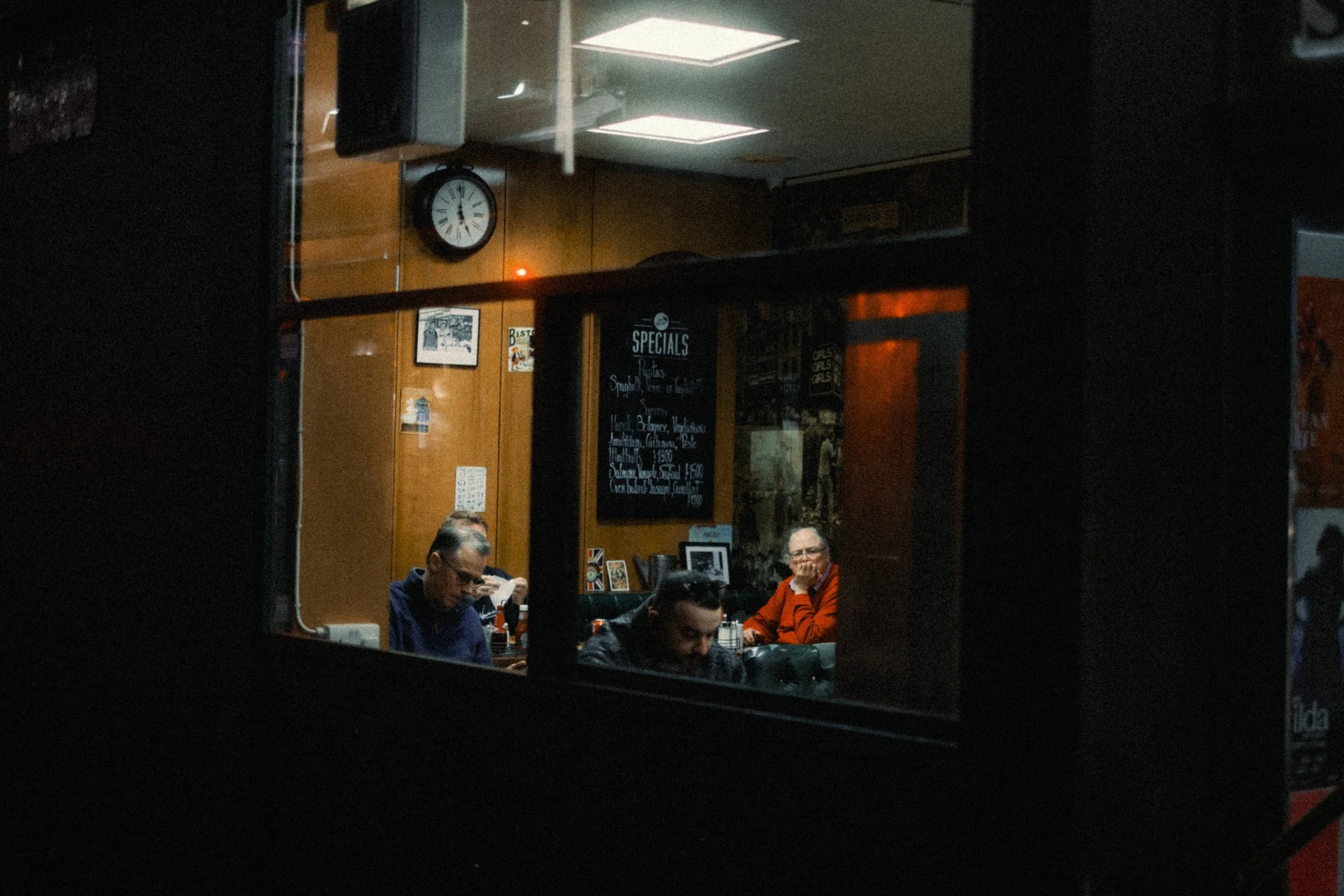
Technically, the X-E5 is impressive. You get Fuji’s latest 40MP sensor, IBIS, and impressive video specs especially for a small rangefinder-style body.
There are still some annoyances. Unlike the X-T5, there’s no dedicated photo/video switch. Instead, you have to press the drive button to change modes. You can assign video record to a function button, but that won’t trigger F-Log2 recording, which feels like an unnecessary limitation.
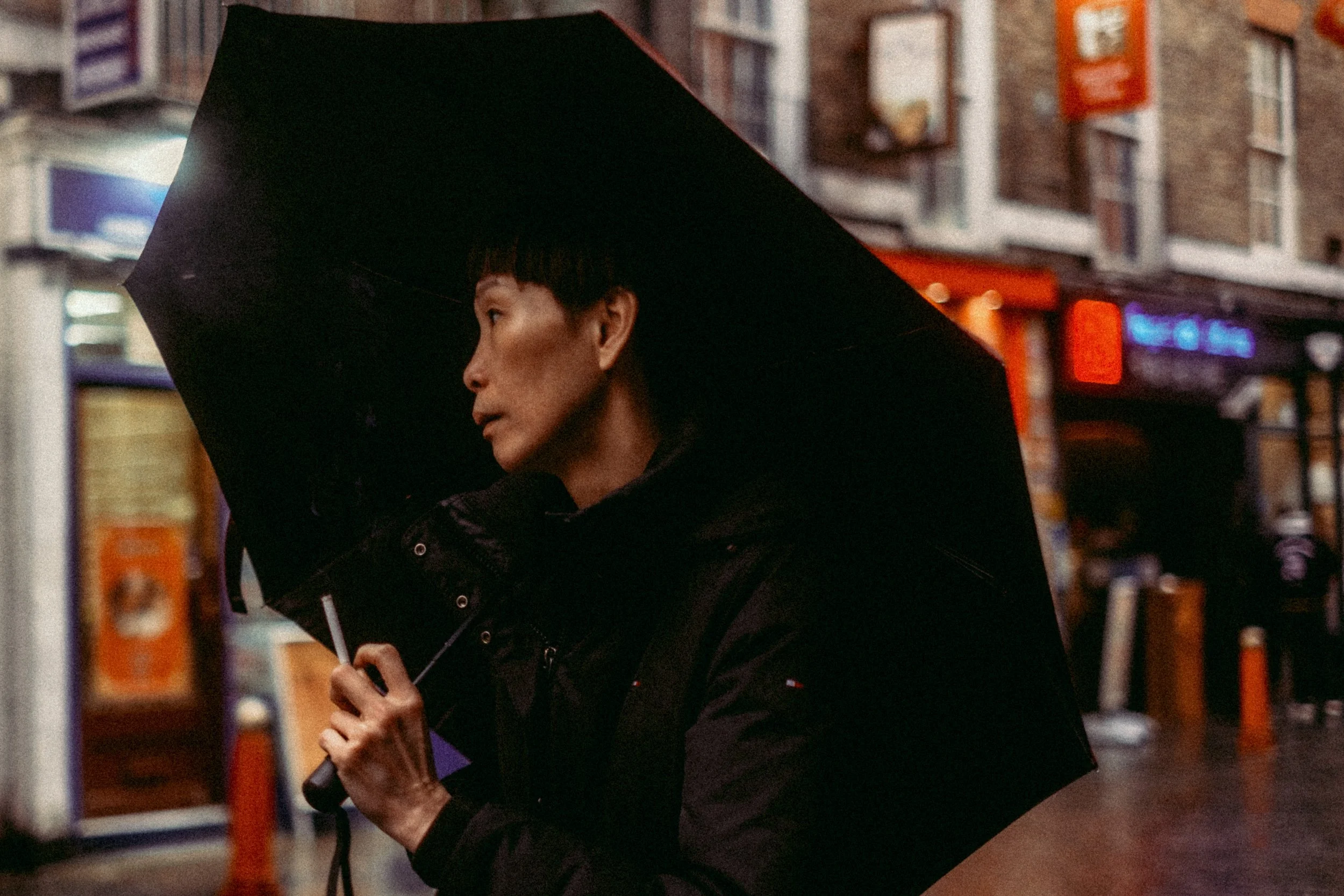
Overall, I’ve been really impressed with the X-E5 so far. It’s fun to shoot, and is actually capable enough for professional work too. The best thing I can say about this camera is that it genuinely made me question whether I need to keep the X100V going forward.