
Thypoch Simera C Cine Lenses Review (6 Months Use)
Thypoch Simera C Cine Lenses Review (6 Months Later)
So today I’ll be talking about the Thypoch Simera C cinema lenses, which I’ve been using with my Fujifilm cameras for the past 6 months.
Usually, when it comes to cinema lenses, they’re large, heavy, and expensive. For example, a set of Cooke lenses can easily set you back £20,000, while cine lenses from Leica can be upwards of £10,000 per lens.
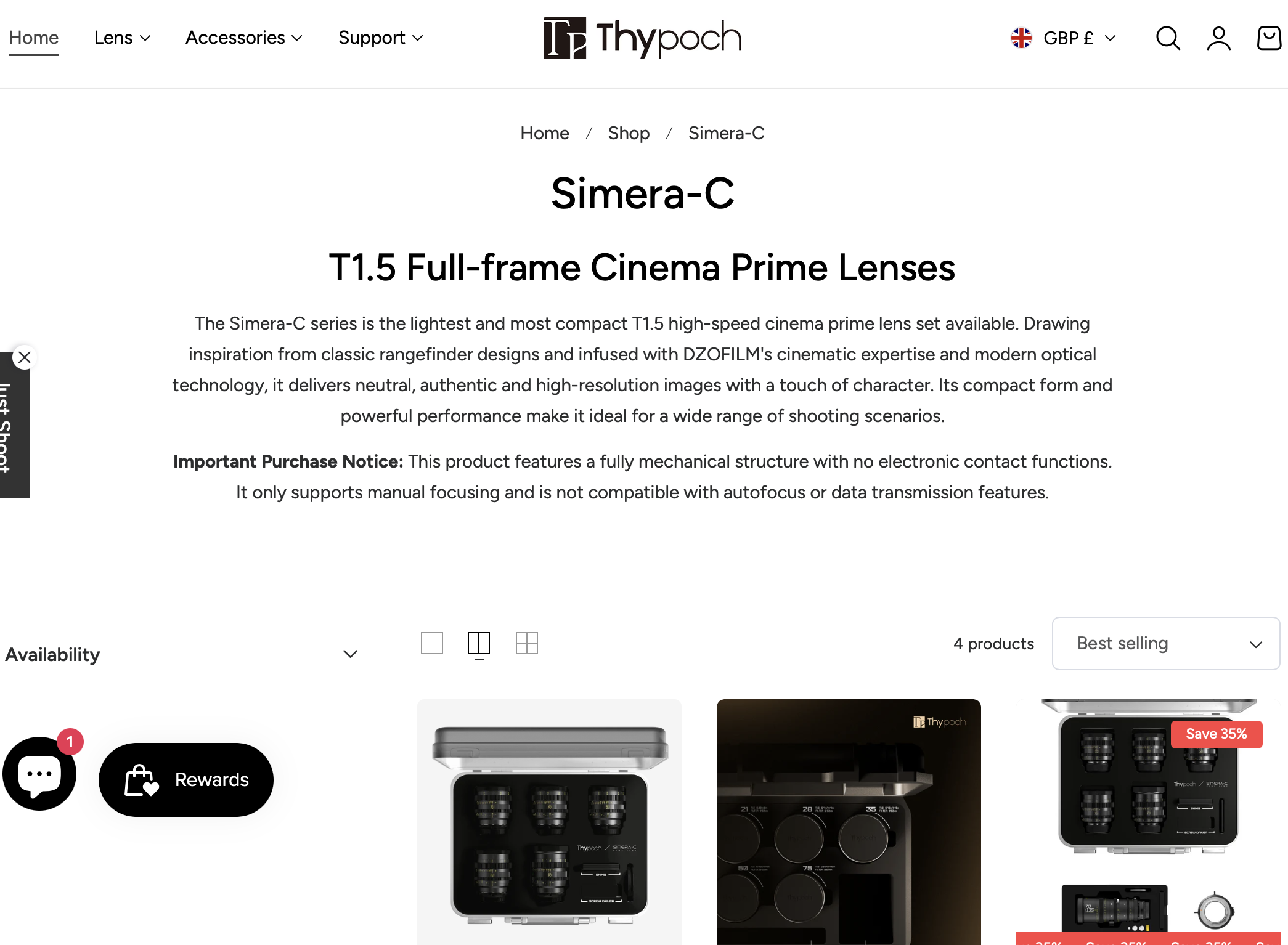
Meanwhile, the Thypoch Simera C set — which consists of five lenses (21mm, 28mm, 35mm, 50mm, and 75mm) — comes in at around £3000.
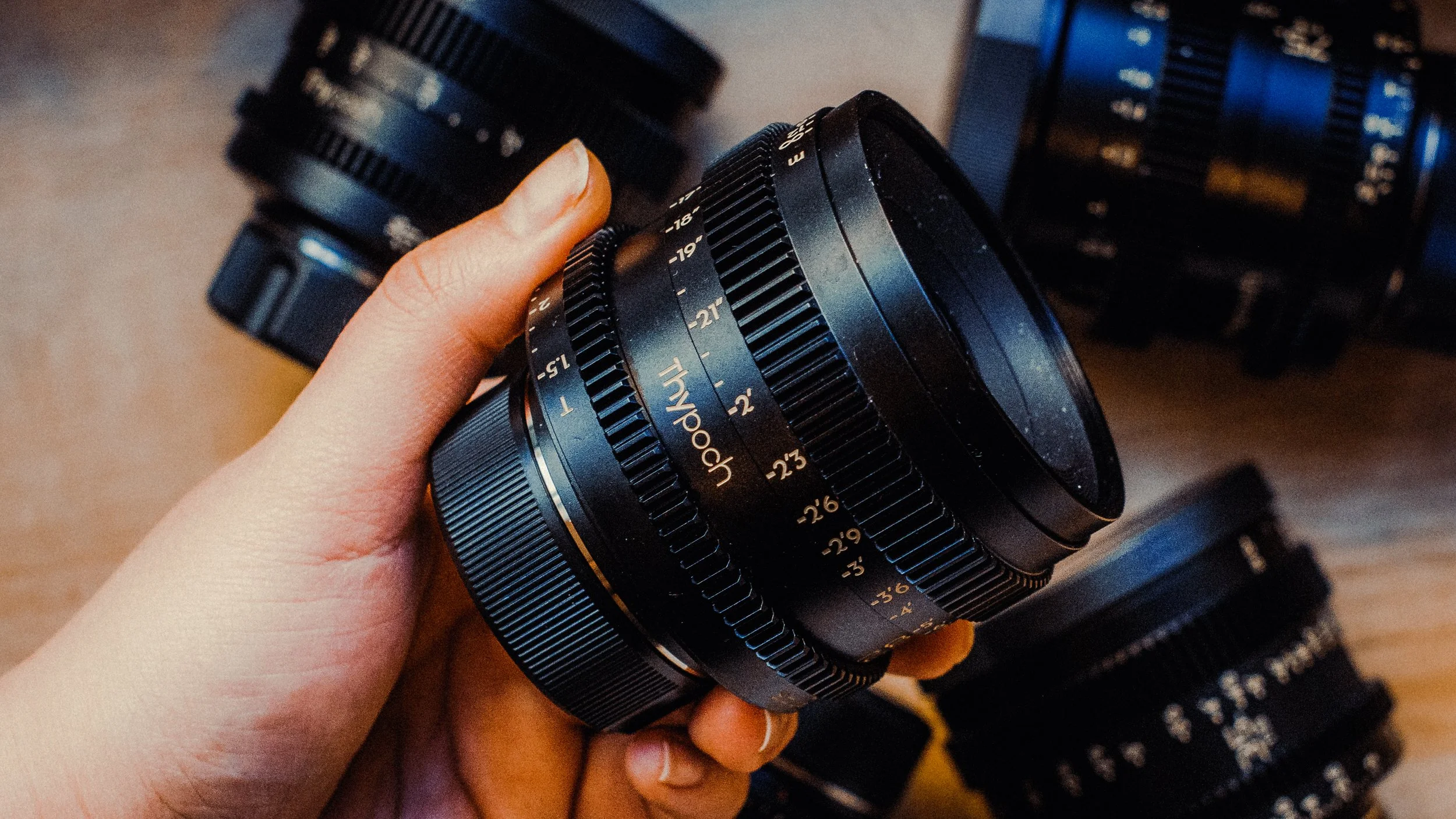
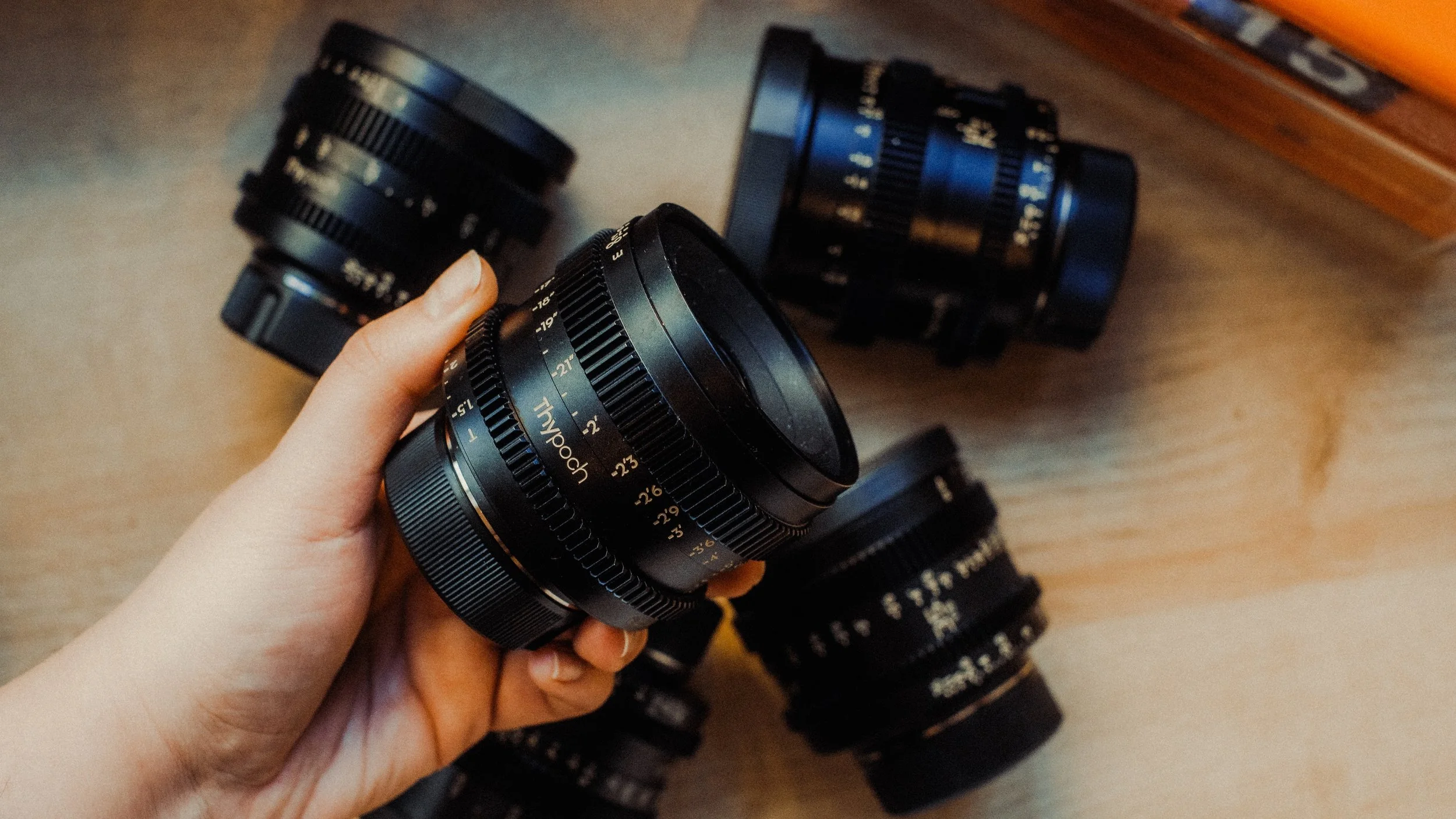
The lenses are also small and lightweight compared to most cine lenses out there, and the entire set can fit into a small sling bag. That makes them a great option for travel or when shooting in harder-to-reach locations.
Before going on, a quick bit of background on Thypoch. They became popular for their M-mount still photography lenses, mainly designed for Leica cameras.
The Simera C lenses are essentially based on those photography designs, but adapted specifically for video work.
I’ve been using the M-mount versions with an Urth M-to-X mount adapter. It’s also worth noting that the lenses are fully manual.

Size & Portability
My favourite thing about these lenses is their size. Especially for the way I shoot, I rarely carry a backpack, and I almost never bring a tripod unless I absolutely need to.
Most of the time I’m working out of a small sling bag, or just slipping lenses into my pockets. With most cine lenses, that simply isn’t possible because they’re so large.
If you pair these with a smaller body like the Fujifilm X-T5 or X-E5, the whole setup stays really compact. That’s something I appreciate, especially when travelling or shooting in public where you don’t want to draw too much attention.
Aperture / Low Light
All of the lenses open up to T1.5, so despite being small, they’re actually very fast. That makes them really usable in low light, which is important for the kind of shooting I do.

Image Quality / Character
In terms of image quality, I’m not someone who tends to pixel peeps, but I’ve been really happy with the footage I’ve been getting. Even wide open at T1.5, everything holds together well.
They’re not overly sharp or clinical like some modern lenses, and I actually prefer that. There’s a bit of character to the image, which makes things feel slightly more cinematic.

Build Quality
The lenses are almost entirely metal and don’t feel cheap at all. They feel solid in the hand, and Thypoch states that they are weather resistant as well.
Photography
Because these are based on their stills lenses, you can also take really nice photos with them. So they’re not just limited to video, which is a nice bonus.

Annoyances
One thing I noticed is that the 75mm lens has a different filter size to the rest of the set. That means if you’re using filters — like an ND filters — you can’t just share one across all the lenses. It’s not a huge issue, but it would have been nice if they kept things consistent.
Who These Lenses Are For
I’d only really recommend cine lenses if you’re serious about getting into film and video work. The good thing about these from Thypoch is that they’re relatively affordable, and the image quality is strong for the price.
So they’re a good entry point if you want a proper cine setup without spending a huge amount.
Wrap Up
Overall, I’ve really enjoyed using the Simera C lenses. They’re small, relatively affordable (for cine lenses), and the images they produce are pleasing. They’re probably not technically perfect compared to higher-end options, but for the price, I think they offer really good value.
If you’re looking to get into cinema lenses without spending a fortune, these are definitely worth considering.